
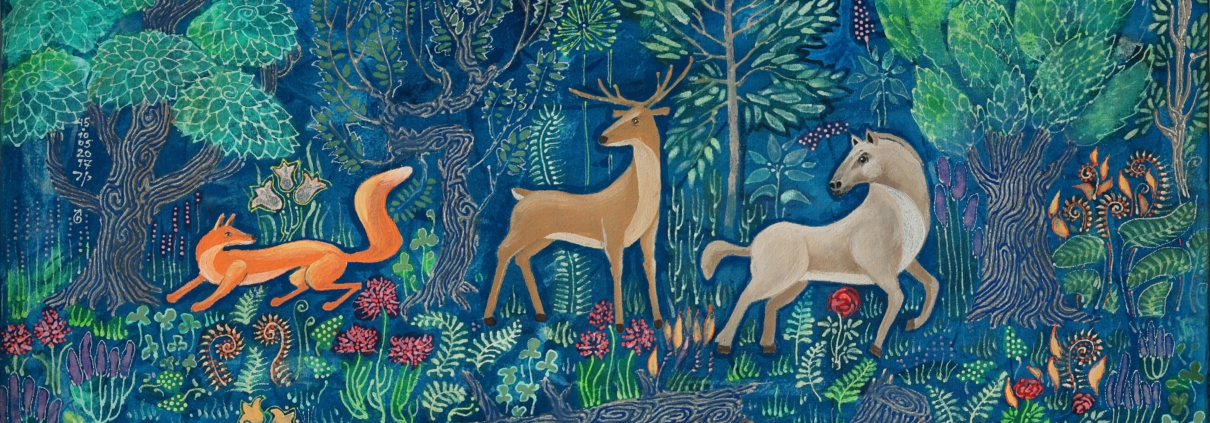
Exploring how centuries-old myths, legends, and folk tales continue to shape today’s books, films, and digital storytelling.
1. Introduction
European legends and fairy tales have never truly faded — they’ve evolved. The timeless stories collected by the Brothers Grimm, Charles Perrault, and Celtic bards, and re-imagined through Arthurian myth and Norse sagas, form the creative DNA of much of modern storytelling.
Whether in fantasy literature, superhero franchises, or animated cinema, the archetypes, moral lessons, and mythic structures of these tales continue to influence the way writers, filmmakers, and game designers craft worlds and characters today.
2. The Core Influence of European Folklore
| Element | Traditional Source | Modern Adaptation Example |
|---|---|---|
| The Hero’s Journey | Found in myths like Beowulf, Arthurian legend | Luke Skywalker (Star Wars), Frodo Baggins (The Lord of the Rings) |
| The Quest Motif | Arthur and the Holy Grail | Indiana Jones series, The Witcher saga |
| Moral Duality (Good vs Evil) | Grimm tales, Christian allegory | Harry Potter, Narnia, Frozen |
| Magic & Transformation | Cinderella, Beauty and the Beast | Shrek, Enchanted, Beauty and the Beast (Disney) |
| Tragic Love & Destiny | Tristan and Isolde, Celtic epics | Titanic, Outlander, The Time Traveler’s Wife |

3. Fairytale Archetypes and Themes
✨ Retellings and Subversions
Modern authors often reinterpret old tales to challenge outdated views or highlight hidden perspectives.
-
Into the Woods (2014) intertwines Grimm stories in a morally complex way.
-
The Book of Lost Things explores the darker subconscious side of fairy tales.
-
Contemporary novels reimagine Sleeping Beauty as a warrior, or Cinderella as a rebel.
🧙 Character Archetypes
-
The Mentor (Merlin → Dumbledore, Gandalf)
-
The Innocent Hero (Snow White → Harry Potter, Frodo)
-
The Trickster (Loki → Jack Sparrow, Deadpool)
These enduring roles reflect human psychology and moral tension.
⚖️ Morality & Psychology
Fairy tales were early psychology: they externalized fear, temptation, and virtue. Their binary moral worlds — light vs darkness — became templates for how we still dramatize the inner battles of the human condition.
4. Arthurian Legend — The Foundation of Modern Epic
| Classic Motif | Modern Reflection |
|---|---|
| The Noble Quest (Arthur & Grail) | The Dark Tower (Stephen King) – Roland as a knightly wanderer |
| The Enchanted Sword | King Arthur: Legend of the Sword, The Green Knight, Excalibur |
| Camelot’s Fall | Game of Thrones echoes power, betrayal, and moral decay |
| Female Voices of Avalon | The Mists of Avalon (Marion Zimmer Bradley) retells from Morgaine’s view |
| Humor & Deconstruction | Monty Python and the Holy Grail → Spamalot musical satire |
Arthur’s court became the model for the “chosen one + fellowship” dynamic that runs through modern fantasy and sci-fi narratives.
5. Celtic Mythology — Nature, Spirits, and the Otherworld
Celtic storytelling infused modern fantasy’s deep ecology and mysticism.
-
Worldbuilding: J.R.R. Tolkien drew from Irish and Welsh myth when creating Middle-earth.
-
Language & Sound: Elvish tongues echo Welsh phonetics.
-
The Fae & Druids: Appear in The Witcher, Song of the Sea, and Hellboy II.
-
Spiritual Connection: Modern stories reuse the Celtic theme of the veil between worlds — seen in Brave and Pan’s Labyrinth.
Celtic lore reminds creators that magic often lives within nature and emotion, not apart from it.
6. Norse Mythology — Gods, Fate, and the End of Worlds
| Norse Concept | Modern Adaptation |
|---|---|
| Ragnarök (World’s End) | “Winter is Coming” — A Song of Ice and Fire |
| Pantheon of Gods | Thor, Loki, Odin in the Marvel Cinematic Universe |
| Heroic Doom | Kratos’s arc in God of War embodies Norse fatalism |
| Nine Realms & Bifröst | Cosmic structures mirrored in MCU and Tolkien’s cosmology |
| Runes & Prophecy | Appear in fantasy games and sagas like The Elder Scrolls |
Norse stories blend heroism and tragedy, shaping how modern creators portray destiny, sacrifice, and apocalypse.
7. Enduring Modern Impact
🖋 Literature
From Neil Gaiman (American Gods, Norse Mythology) to Bernard Cornwell (The Warlord Chronicles), European myths underpin the plots and moral questions of modern fantasy and historical fiction.
🎬 Film & Television
-
Disney adaptations redefined the fairytale format (Snow White, Frozen, Maleficent).
-
The Witcher, Game of Thrones, and Vikings bring medieval mythos to new audiences.
🎮 Video Games
Series like God of War, Assassin’s Creed Valhalla, and The Legend of Zelda adapt mythic archetypes into interactive storytelling, demonstrating how ancient lore fuels new narrative mediums.
8. Why These Myths Endure
| Reason | Explanation |
|---|---|
| Universal Emotions | Love, fear, power, betrayal remain timeless. |
| Moral Frameworks | Tales teach empathy, justice, and consequences. |
| Cultural Memory | They preserve Europe’s shared heritage across borders. |
| Creative Reuse | Each generation reshapes them to mirror its values. |
| Symbolism | Myths provide language for the subconscious — dragons, quests, light, and shadow. |
In essence, fairy tales and legends serve as Europe’s collective imagination, continually reborn through new voices and technologies.

9. FAQs
Q1: Why are European fairy tales still relevant today?
They address universal themes — love, fear, and transformation — that remain as emotionally true today as centuries ago.
Q2: Which modern authors draw most from European myths?
J.R.R. Tolkien, C.S. Lewis, Neil Gaiman, Marion Zimmer Bradley, Bernard Cornwell, and George R.R. Martin are among the most prominent.
Q3: How have filmmakers adapted these tales?
Studios like Disney and DreamWorks reimagine traditional tales for modern audiences, often introducing moral nuance and stronger female leads.
Q4: How does Norse mythology differ from Greek or Roman myth?
Norse myths emphasize fate and cyclical destruction (Ragnarök), while Greek myths focus on moral lessons and heroism.
Q5: What lessons do these stories teach?
That courage, kindness, and wisdom can overcome chaos — even when destiny feels inevitable.
10. References & Sources
-
Jim Wilbourne – The Enduring Influence of Fairy Tales in Fantasy Fiction
-
Wanderlust Canadian – The Influence of Fairy Tales on Modern Literature
-
Aithor Essays – The Influence of Fairy Tales on Modern Storytelling
-
BBC Culture – The Six Ancient Norse Myths That Still Resonate Today
-
Odin’s Glory – How Norse Mythology Influenced Popular Culture